

Why Everyone Is Talking About BPI Training, And You Should Too
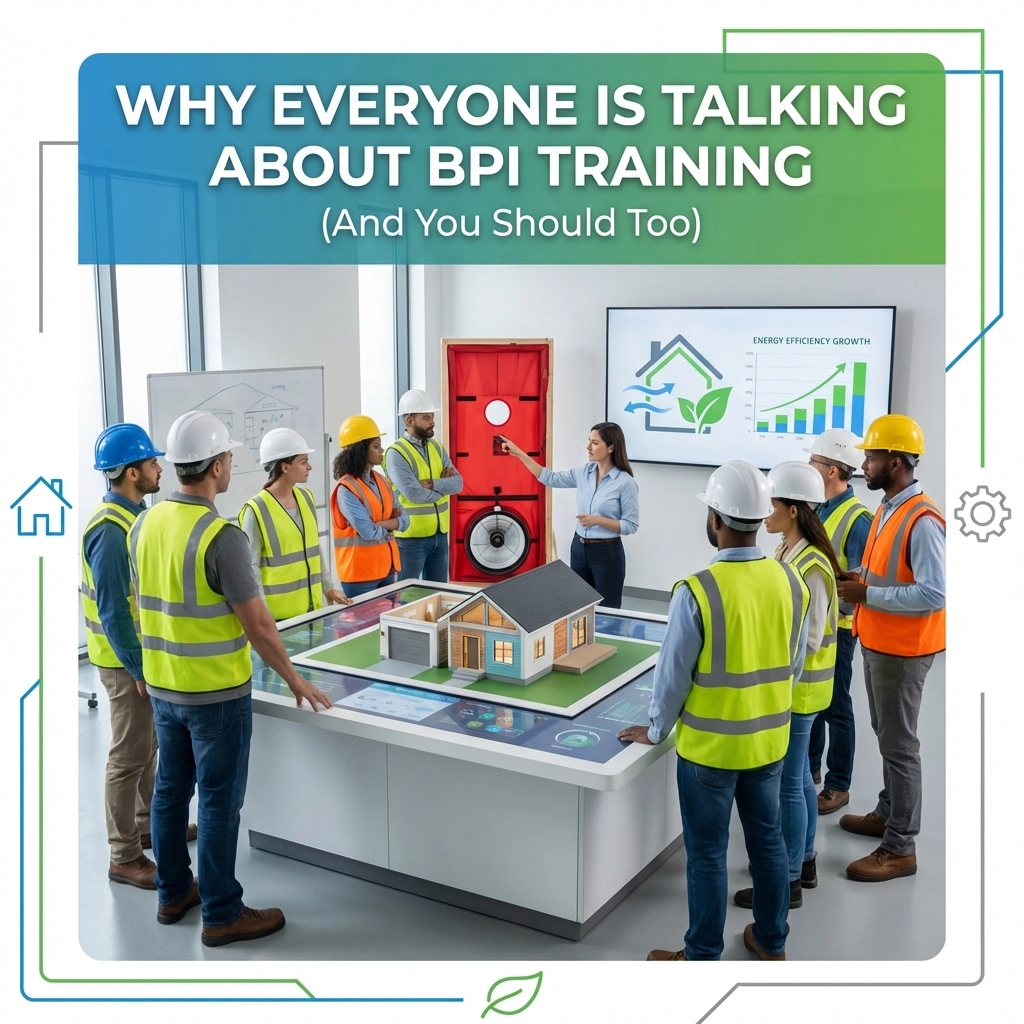
If you’ve been paying attention to the home performance and energy efficiency world lately, you’ve probably noticed one acronym popping up everywhere: BPI.
Whether you’re scrolling job boards, talking with contractors, or watching utility and weatherization work expand, BPI credentials keep showing up as a common requirement or a strong preference.
This is not just hype. There are real reasons energy professionals, HVAC technicians, and career changers are leaning into Building Performance Institute credentials. If you want a future-proof path in energy efficiency, you should understand what’s driving the demand.
Let’s break it down.
What Exactly Is BPI?
BPI stands for Building Performance Institute. It is a nonprofit that develops nationally recognized standards and credentials for the home performance industry.
When someone says they’re “BPI certified,” they’re signaling they’ve met a defined set of requirements and demonstrated competency through the credential’s assessment process.
In plain terms, it’s the difference between someone who knows the buzzwords and someone who can document skills against an industry credential.
What BPI Training Typically Covers
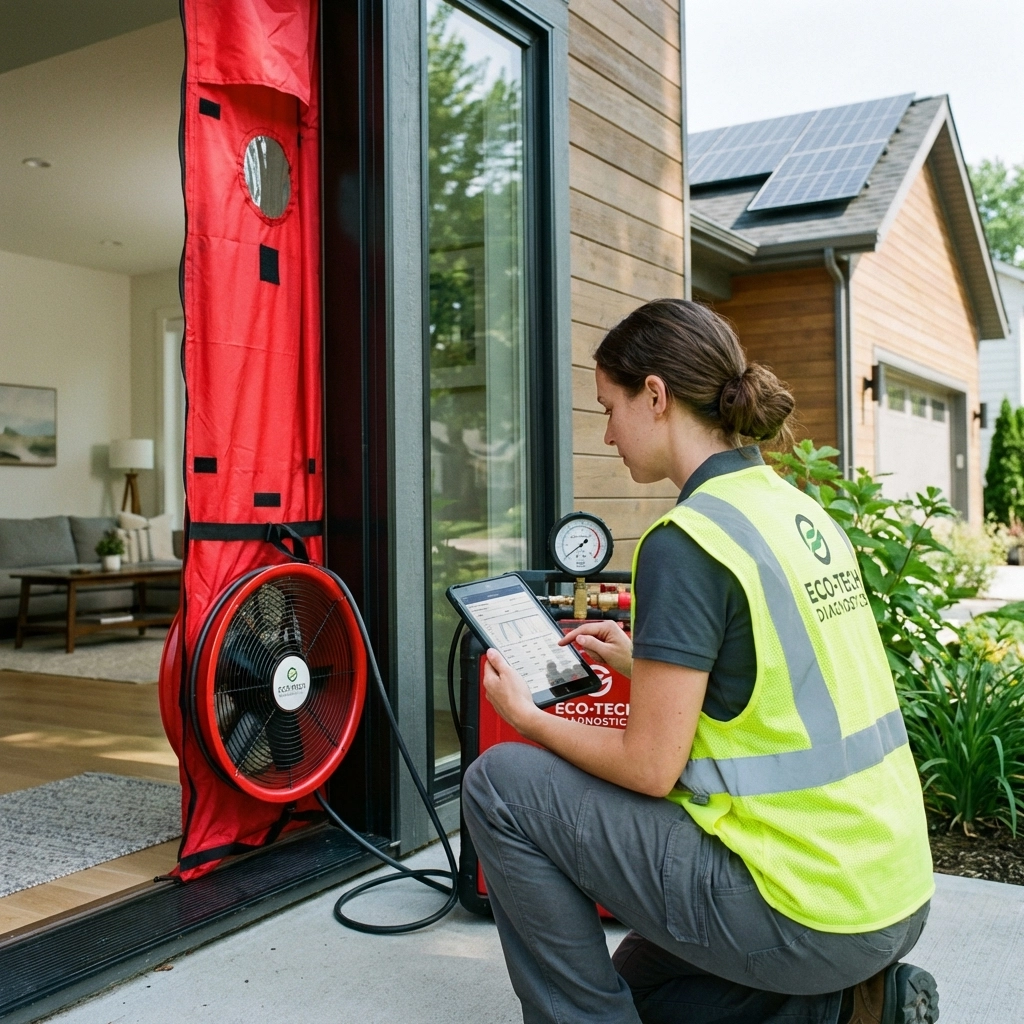
The exact content depends on the credential you’re pursuing, but training commonly includes topics like:
- Building science fundamentals
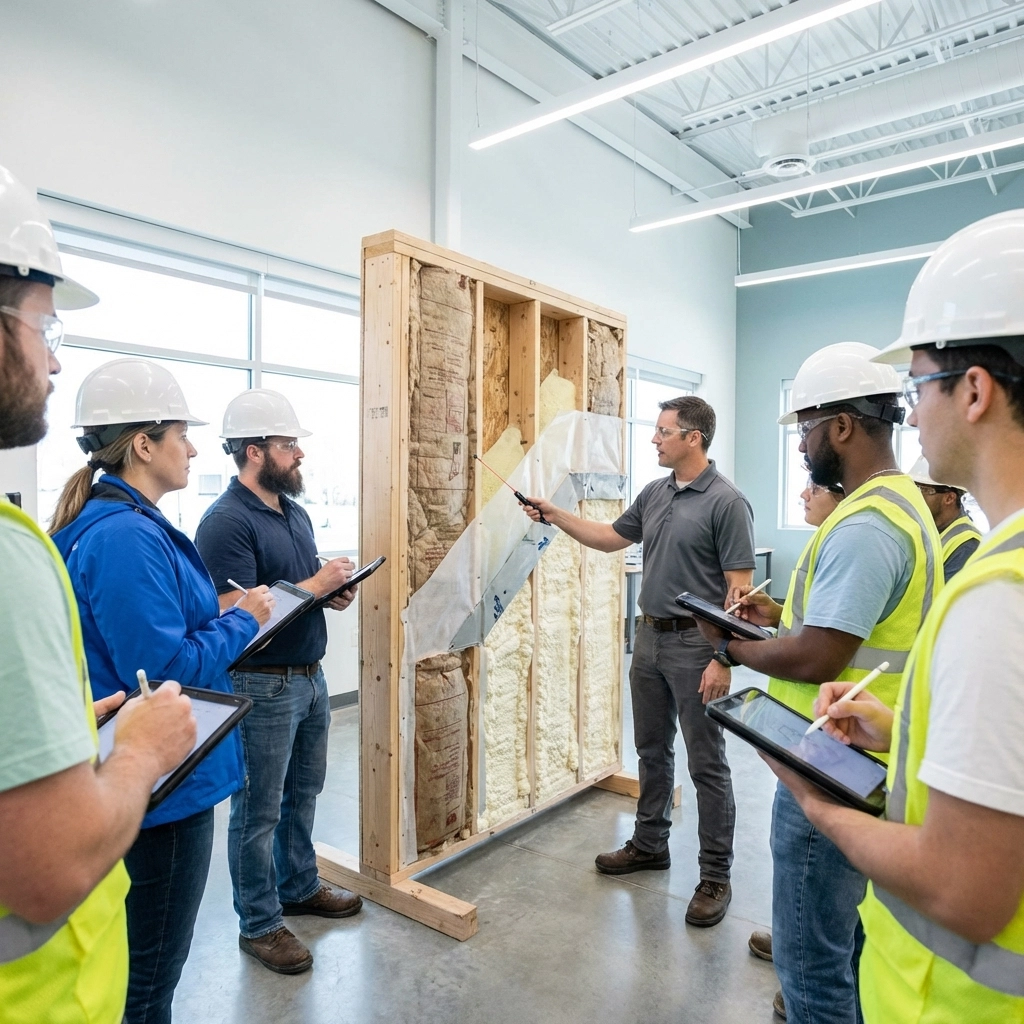
- Air leakage and insulation concepts
- Ventilation basics and whole-house thinking
- Diagnostic testing and data collection
- Combustion safety concepts, where applicable
- Report writing and client communication
A common entry point is the Building Analyst Technician (BA-T) credential, which focuses on diagnostic testing and home performance data collection. Before taking the BA-T exam, candidates must earn the BPI Building Science Principles (BSP) Certificate of Knowledge.
Why BPI Is a Hot Topic Right Now
Rising energy costs are making efficiency more urgent.
Homeowners and businesses want lower bills and better comfort. They also want work that holds up under program rules and quality checks.
Incentives and programs are pushing demand toward credentialed auditors.
For example, the US Department of Energy lists BPI Building Analyst Professional (BA-P) and BPI Home Energy Professional Energy Auditor among the qualified certification programs tied to the Section 25C home energy audit credit.
The construction and HVAC world is shifting toward performance.
Builders and contractors are learning that energy performance is now part of their competitive edge, especially when rebates, incentives, and quality standards come into play.
What Jobs Can You Get with BPI Credentials?
BPI credentials can support multiple career tracks, depending on which credential you earn and what your local market hires for:
- Energy auditor roles
- Weatherization and retrofit work
- HVAC roles that use a whole-house approach
- Home performance contracting
- Quality control and program inspection work
- Sales and consulting roles tied to energy upgrades
In many markets, BPI credentials help you get past the first filter. They can also help you access work connected to utility programs, weatherization efforts, and incentive-driven retrofits.
The Real Financial Upside
The cleanest way to say this is simple.
Credentials can help you qualify for more roles and more types of work.
They can also help you justify higher rates, because the credential tells employers and clients you have verified competency tied to a recognized standard.
More importantly, credentials expand what you can offer.
If you add auditing, diagnostic testing, or program-aligned work to your services, you open new revenue lanes.
How BPI Skills Hold Up in a Tech-Heavy World
Energy auditing is not a sit behind a desk job. It is hands-on. It involves real buildings, real diagnostics, real constraints, and real people.
Tech can help with modeling, reporting, and workflow. It cannot replace walking a property, running diagnostics, interpreting conditions, and explaining findings to a homeowner in a way that drives action.
That mix of field skill plus technical knowledge is a durable advantage.
What to Expect From the Certification Process
Training format varies.
You can find in-person, online, and hybrid options depending on the provider and your schedule. Some providers advertise accelerated bootcamps that run in about five days, while others spread training out longer.
Exam format depends on the credential.
For example, BA-T includes oral questions and a practicum-style field evaluation. Other credentials, like the HEP Energy Auditor, include online and field exams.
Maintaining your credential typically involves continuing education and renewal steps.
BPI uses continuing education units, and renewal requirements vary by credential.
Tips for Getting Started
- Start with your end goal. Do you want to do audits, program work, contracting, or QA inspection?
- Pick the right first credential. BA-T is a common starting point for whole-house diagnostic work.
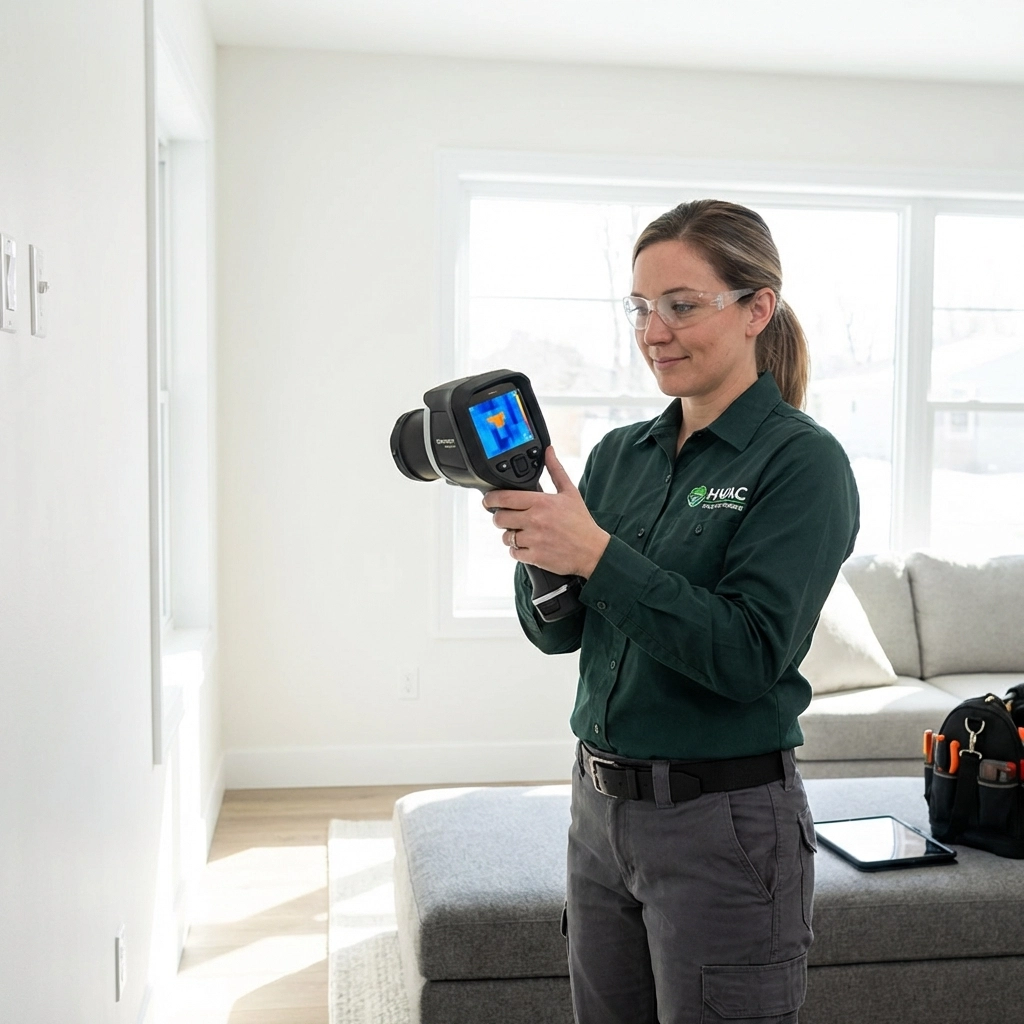
- Choose training that includes real equipment practice. Field assessment is where many people struggle.
- Plan your continuing education early. Renewal rules exist for a reason, and you do not want to scramble near expiration.
- Start networking before you test. Hiring pipelines move fast when program work ramps up.
Bottom Line
BPI credentials are not a trend. They track real demand for qualified people who can deliver measurable energy and comfort improvements.
If you want a career path that blends hands-on work, technical skill, and steady market demand, BPI is worth your attention.
Interested in exploring your options?
Green Training USA can help you map the right BPI path and prepare for your next credential.
When you choose Green Training USA, you are not buying a class; you are buying a partner. We offer one of the largest online libraries in the industry, with training paths across BPI, RESNET, HVAC, and building performance, so you can build skills and stack credentials without hopping between providers.
Our instructors and support team stay hands-on, providing real answers, clear guidance, and help with scheduling, studying, and finishing strong.
We also make training affordable on purpose. You get straightforward pricing that is often lower than comparable programs, plus Train Now and Pay Later options, so you can start now and spread out payments.
If you want training that is practical, personal, and built around your success, pick the team that treats your certification like it matters, because it does.
